
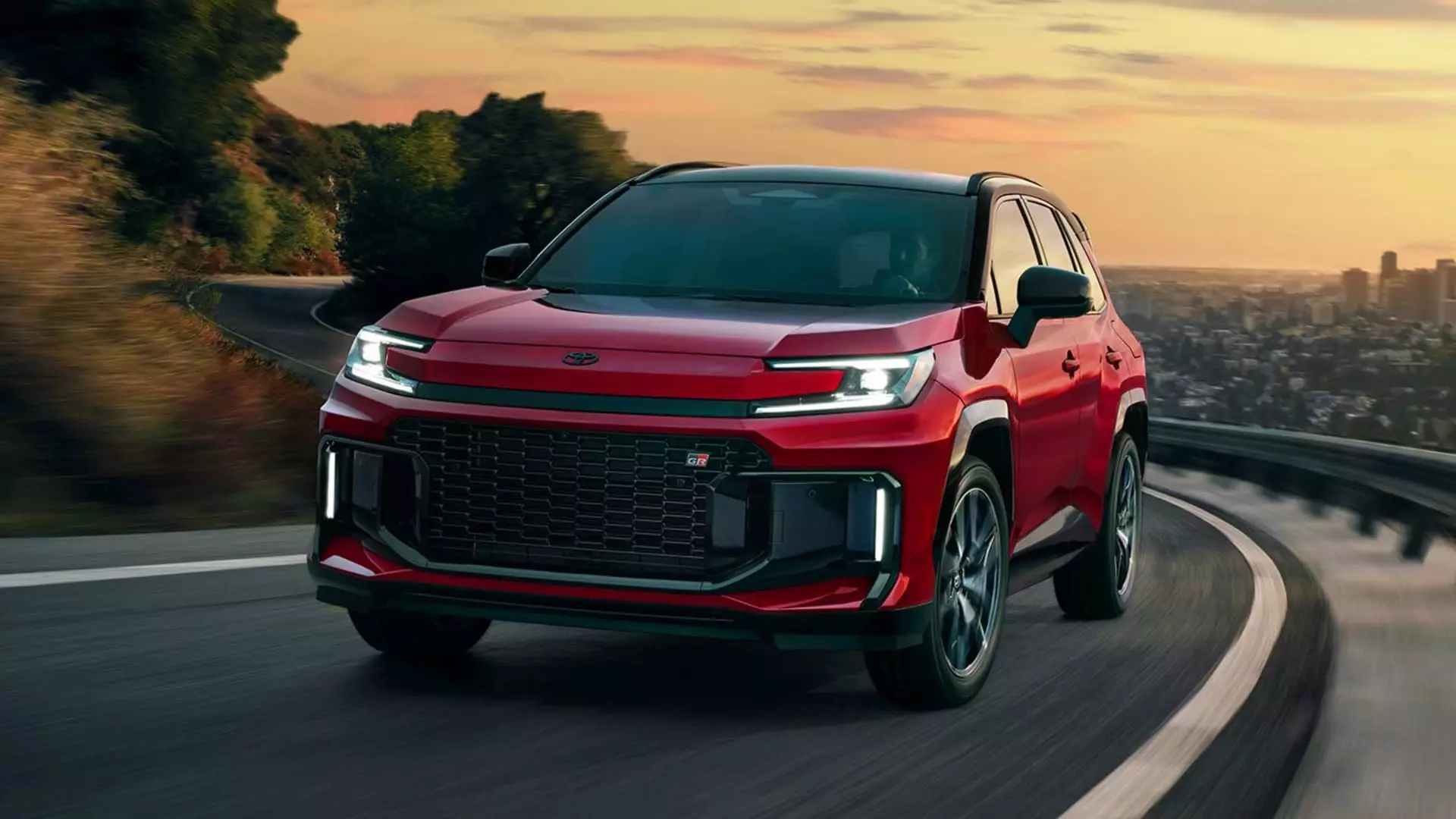
The automotive landscape is undergoing a seismic shift, and Toyota’s announcement regarding the 2026 RAV4 is a bold declaration in favor of hybrid technology. By exclusively offering the RAV4 as a hybrid or plug-in hybrid, Toyota is taking a definitive step away from traditional fuel engines. This leap is significant, as it marks the first time a top-selling vehicle in the United States will rely solely on hybrid technology. Toyota, which pioneered hybrid vehicles with the Prius in the late 1990s, has long been on the forefront of this technology. By eliminating gas-powered engines from their flagship SUV, the automaker is demonstrating a commitment to environmental sustainability without sacrificing performance.
There are critics who might argue that hybrid models are mere transitional solutions, a middle ground that ultimately delays the inevitable shift towards fully electric vehicles. However, that viewpoint overlooks the practical realities of consumer sentiment and market readiness. The hastened rush towards all-electric vehicles has left many potential car buyers feeling overwhelmed, and the hybrid option provides a more balanced approach for those who may not be ready to fully embrace electric vehicles just yet.
The Hybrid Market’s Natural Evolution
With nearly half of last year’s RAV4 sales being hybrid models, it is clear that consumer preference is shifting. In a world where environmental concerns are becoming more pressing, the combination of traditional combustion engines and electric technology in hybrids provides a compelling bridge. David Christ, head of the Toyota brand in North America, astutely pointed out that consumer demand has spoken: people want hybrids. This pattern is not just a fleeting trend; it reflects a broader societal inclination toward vehicles that are both environmentally friendly and performant.
As global leaders advocate the complete transition to electric, it’s refreshing to see a company like Toyota prioritizing customer desires first. By focusing on hybrid models, Toyota is not merely reacting to regulatory pressures but is listening to its consumer base. The hybrid RAV4 is set to address the gap for those who value fuel efficiency and sustainability but are not entirely willing to commit to an all-electric vehicle.
Economic Considerations Amidst Trade Wars
However, the challenges facing this hybrid revolution aren’t simply technological. With the implications of trade tariffs, particularly under President Trump’s economic policies, there is a looming cloud over the automotive industry. The hefty 25% tariffs on imported vehicles are a significant concern for manufacturers reliant on international supply chains — and Toyota is no exception. An estimated 84.3% of RAV4 units sold in the U.S. come from Canada and other regions, nuances that complicate production logistics and pricing strategies.
The potential rise in costs due to tariffs could make the hybrid RAV4 less attractive to budget-conscious consumers. Toyota aims to mitigate these risks by increasing production at its Kentucky plant, which is a response that reflects adaptive agility in uncertain economic climates. While incorporating more localized production is a step in the right direction, one cannot ignore the broader implications of trade negotiations and their ripple effects across the industry.
Consumer Confidence and Market Dynamics
Toyota’s sales figures tell a story of strong consumer confidence even amid potential economic turbulence. The RAV4 has grown to become the best-selling non-pickup vehicle in America, illustrating a tremendous market demand. This success is not purely based on emotional attachment to the brand but is bolstered by tangible benefits that hybrid vehicles bring — such as better fuel economy, reduced emissions, and long-lasting performance metrics.
Furthermore, a record 20% of new car sales consisting of hybrid and all-electric vehicles indicates that Americans are increasingly prioritizing eco-friendly options. However, success is relative. The RAV4 must continue to innovate and differentiate itself in a market that is saturated with competitive offerings. The elimination of the traditional gas engine may be the key to unlocking new avenues in consumer engagement and addressing modern drivers’ evolving preferences.
The Road Ahead: Future Imperatives for Toyota
For Toyota, the all-new hybrid RAV4 serves not just as a vehicle but as a symbol of a carefully considered approach to transitioning toward a greener future. It demonstrates the company’s ability to adapt to shifting consumer demand while navigating regulatory landscapes. While other manufacturers are fervently chasing the electric dream, Toyota’s steadfastness to retain hybrid options underscores a poised and pragmatic strategy.
As automakers wrestle with the tensions between environmental sustainability and market demand, the insight that Toyota has gleaned from years of experience presents a template for other manufacturers: listen to the consumers, embrace hybrid technologies, and be responsive to economic changes. The RAV4’s unique market position, combined with Toyota’s rich history in hybrid technologies, may ultimately prove that the best way forward doesn’t require a complete abandonment of tradition, but rather a thoughtful evolution of it.