
The recent E. coli outbreak linked to McDonald’s has thrown the spotlight on food safety protocols within the fast-food industry, resulting in significant reactions from major players like Yum Brands and Restaurant Brands International. As the industry grapples with public health concerns, consumers are left watching critically how their favorite restaurants handle food safety issues.
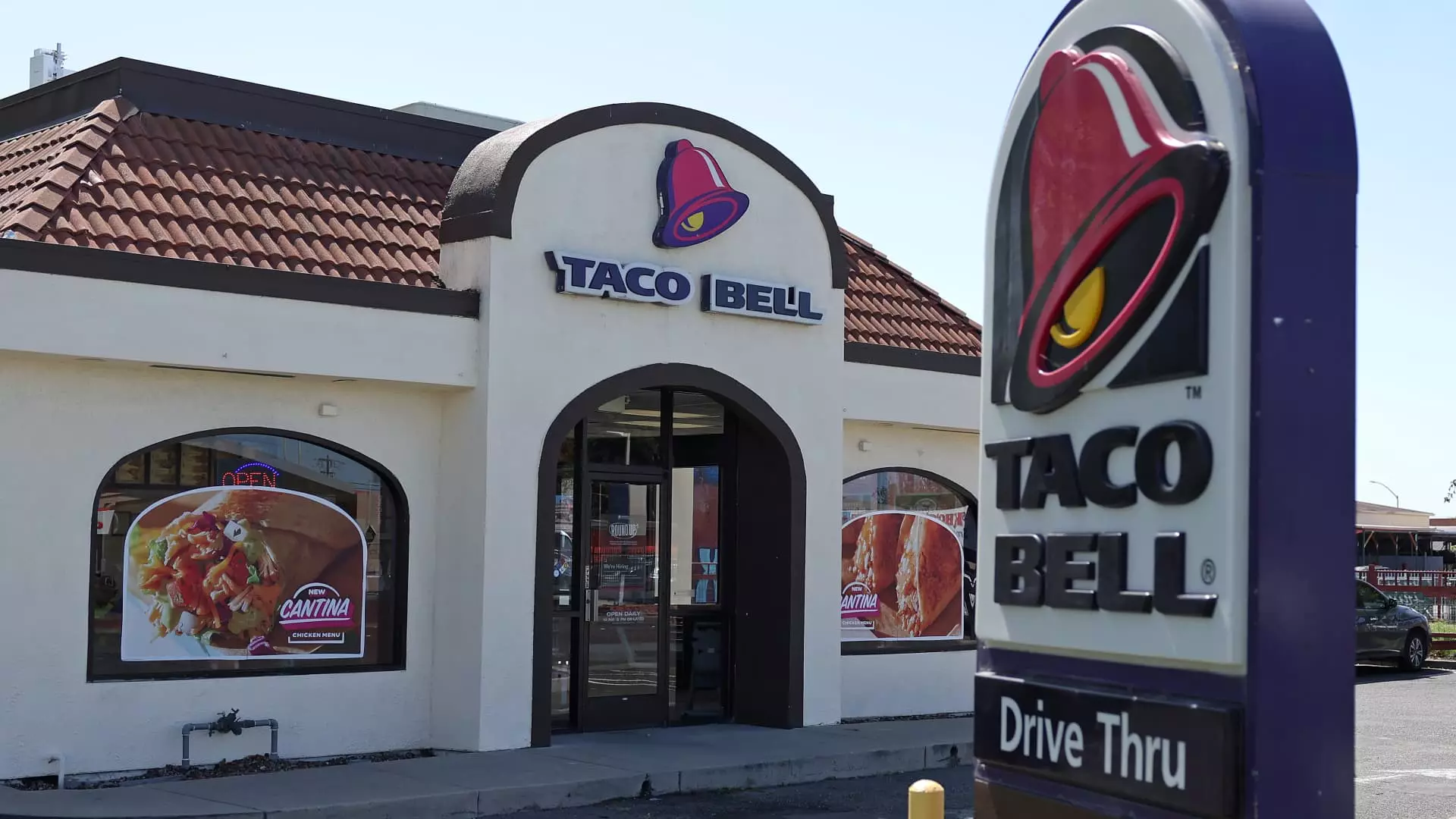
In light of the E. coli outbreak, Yum Brands, which operates Taco Bell, KFC, and Pizza Hut, has taken a proactive stance by removing fresh onions from select locations. A Yum Brands spokesperson clarified that this decision was made not in direct response to the outbreak but rather out of caution. This indicates an awareness of the possible ripple effects of food safety incidents and a commitment to consumer health.
The spokesperson emphasized that the company is monitoring the situation closely and will adhere to supplier guidance and regulatory advice. However, Yum did not disclose the number of locations affected, leading to questions regarding transparency. How many restaurants are ensuring consumer safety, and how quickly can affected locations revert to normal operations? In a fast-paced industry driven by consumer confidence, these details could affect public perception significantly.
Similarly, Burger King has decided to withdraw onions from 5% of its U.S. locations, linking its decision directly to the Taylor Farms facility, which is suspected to be at the center of the outbreak. Although the company has reassured customers that its employees cut, peel, wash, and slice their onions on-site, the decision indicates that there is no room for complacency in food safety protocols. The quick response to dispose of onions shows an active approach towards potential risks.
Burger King’s statement that “despite no contact from health authorities and no indications of illness,” the company chose to act serves a dual purpose. It demonstrates corporate responsibility and a commitment to consumer health while also ensuring that proactive measures prevent possible public backlash. After all, with 49 confirmed E. coli cases linked to contaminated products, the stakes are high for all involved.
Health authorities, including the Centers for Disease Control and Prevention (CDC), are conducting ongoing investigations into the source of the outbreak, while the link to McDonald’s has amplified scrutiny toward diluted supply chains. As the situation unfolds, the CDC has been proactive in interviewing those suspecting to have fallen ill, illustrating the importance of public health monitoring in the restaurant sector.
As investigations reveal that individuals who exhibited symptoms had consumed food containing possible contaminated ingredients, such as beef patties and slivered onions, the accuracy of reporting becomes crucial. The CDC’s reports are essential for various stakeholders, from restaurant managers to consumers, who rely on accurate information to make informed decisions about food safety.
Significant responses from fast-food giants reflect the industry’s commitment to protecting public health and restoring consumer trust. The situation also raises an essential dialogue about the interconnected nature of food suppliers and manufacturers. The recall initiated by U.S. Foods for four onion products connected to Taylor Farms underscores the importance of vigilant monitoring throughout the supply chain.
Yet, corporate responses raise questions about long-term implications. How can brands reassure consumers going forward? This incident challenges the entire food industry to reevaluate sourcing practices, inspections, and communication with consumers.
In a climate where food safety is more than just a regulatory requirement, brands need to not only adapt procedures but also cultivate an atmosphere of transparency. Consumer trust hinges on clear communication regarding food safety measures and responses to potential incidents.
The E. coli outbreak tied to McDonald’s highlights the intricate dynamics involved in food safety management across the fast-food sector. Companies like Yum Brands and Restaurant Brands International have taken significant steps in response, yet challenges remain in maintaining public trust and ensuring long-term safety.
As health officials continue their investigations, the entire industry must learn from these incidents—prioritizing not only immediate actions but also comprehensive strategies for future outbreaks. Ultimately, safeguarding public health is imperative, serving as a reminder of the crucial role that companies play in consumer welfare.