
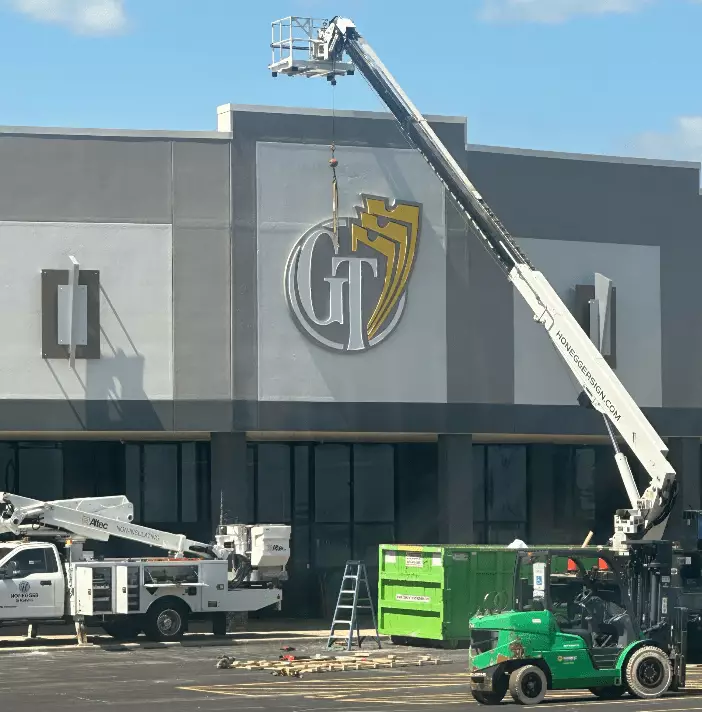
In an era where digital streaming and home entertainment options threaten traditional cinemas, the recent surge in theater investments across North America reveals a surprising resilience of the movie exhibition industry. Spending over $1.5 billion in just 12 months demonstrates a committed conviction among theater operators to redefine the cinematic experience rather than succumb to obsolescence. This bold reinvestment is strategic, targeting a shift in consumer preferences—particularly the younger, more tech-savvy crowds who crave not just films but immersive outing experiences. The industry’s approach emphasizes premium offerings, blending traditional blockbuster viewing with upscale amenities and diversified entertainment.
This spending spree indicates more than just modernization; it’s an active effort to position cinemas as community-centric hubs where entertainment, social interaction, and local economic vitality converge. The big chains are not merely refurbishing screens or upgrading projection tech—they’re transforming spaces into social arenas comparable to leisure complexes. The focus on creating multi-activity venues such as axe throwing, bowling, and arcades alongside theaters is an intelligent move, turning cinemas into entertainment destinations that serve broader social needs. Such diversification underscores the industry’s confidence that cinemas can evolve alongside cultural trends rather than fade into irrelevance.
Strategic Investments Reflect Confidence in the Industry’s Future
The substantial capital laid out—averaging between $5 million and $50 million for each project—speaks to a sector that refuses to accept decline. Major players like Regal, AMC, and Cineplex are spending hundreds of millions to upgrade legacy theaters and open new entertainment complexes, knowing that quality matters more than ever. From digital projectors costing up to $100,000 to lobby bars requiring $1.5 million, the expenditures are deliberate and targeted. The goal is not just clearer images or crisper sound but an immersive environment that justifies premium ticket prices and, crucially, coexists with at-home streaming.
This reinvestment aligns with a broader, centrist-liberal approach that recognizes the importance of supporting local businesses and community institutions. Theater upgrades ripple through local economies, creating jobs for contractors, tech providers, and hospitality venues in surrounding areas. The investment isn’t happening in isolated pockets; it is a nationwide phenomenon that revitalizes Main Streets and suburban centers alike. The industry recognizes that cinema isn’t just about movies; it’s about maintaining cultural relevance and economic stability in communities of all sizes—a stance that balances entrepreneurial vigor with social responsibility.
Premium Experiences as a Strategic Differentiator
The rising trend of offering more than just a movie reflects the industry’s recognition of the evolving marketplace. By investing heavily in amenities—full-service bars, in-theatre kitchens, plush seating, and state-of-the-art sound—cinemas are transforming from simple entertainment venues into lifestyle destinations. With dine-in sales accounting for a growing share of box office revenue, these theaters are embracing the foodie trend and experiential glamour to lure audiences seeking luxury in their leisure time.
Moreover, the trend towards multi-use complexes expanding the scope of entertainment means cinemas are competing with high-tech amusement parks and center-based social venues. Here, the emphasis is on creating memorable, shareable experiences that justify the premium ticket prices, positioning theaters as premium leisure brands rather than just venues for watching movies. This strategic pivot not only elevates the status of cinema-going but also mitigates the decline of traditional ticket sales, offering a resilient pathway forward.
Industry Leaders and Local Champions Demonstrate Confidence
Major chains like AMC and Regal are leading the charge with hundreds of millions of dollars committed to upgrading and expanding their footprints. Their investments reflect confidence in the continued appeal of cinema—especially as new formats like IMAX and Dolby Cinema continue to deliver experiences that home entertainment simply cannot match. Smaller chains and independent theaters are also part of this revival, investing millions to modernize and carve out niches in their local markets.
The case of a single location in California transforming over four years with a $10 million investment exemplifies this commitment. It isn’t merely about survival; it’s about strategic positioning. By modernizing iconic venues, these theaters underscore the industry’s adaptive resilience. They acknowledge the need for a fresh approach—balancing nostalgia with cutting-edge technology—to create experiences that resonate with contemporary audiences.
This renewed focus on quality and community integration may well be the key to turning theatrical exhibition into a long-term, thriving segment of the entertainment industry. It reveals an optimistic yet pragmatic view: cinemas can reassert their cultural importance, provided they innovate boldly and stay attuned to societal shifts. Investment of this magnitude, after all, suggests a future where theaters are not relics but lively, essential facets of urban and suburban life, serving as vibrant social and cultural epicenters.