
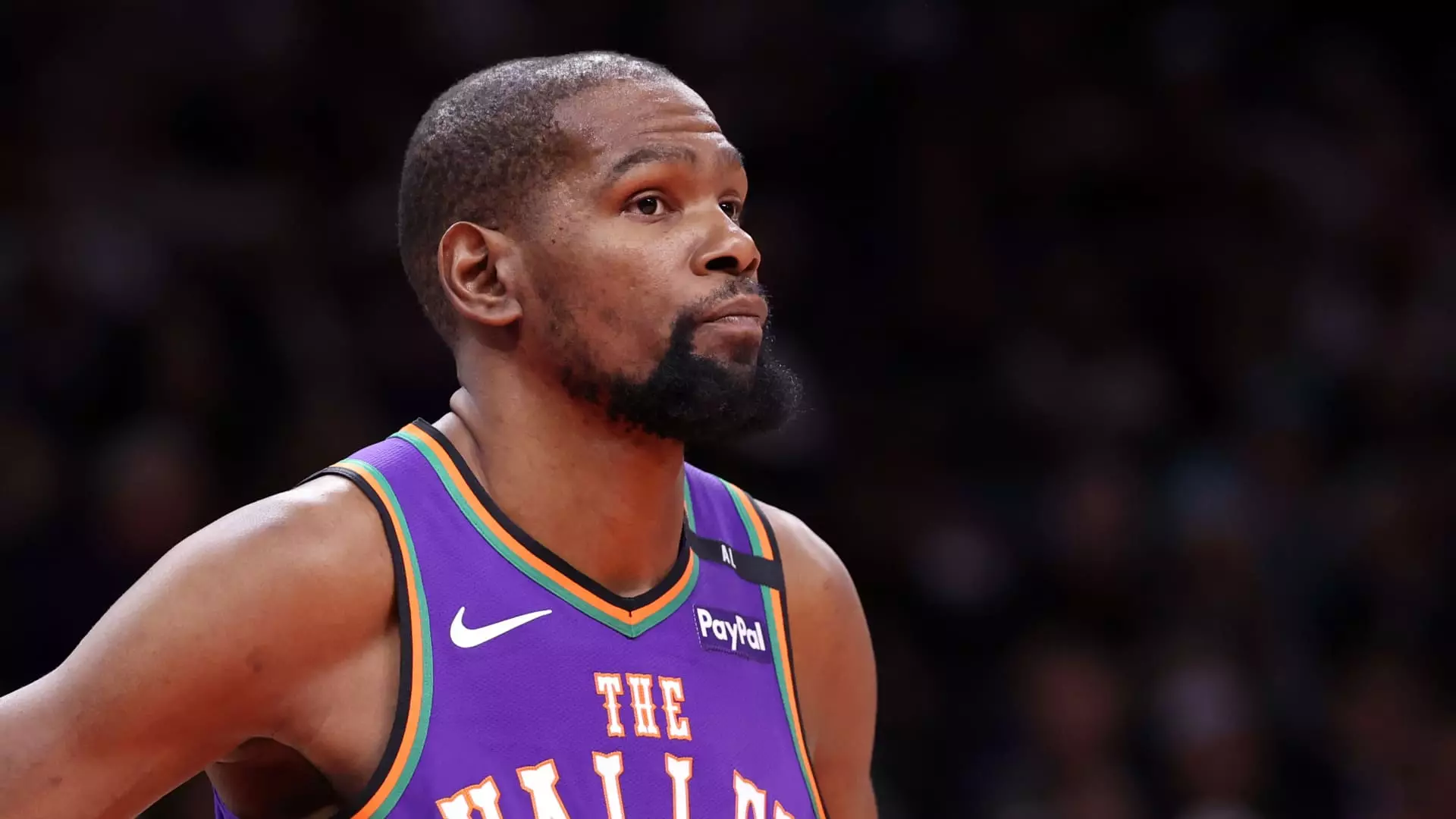
Kevin Durant, a household name in basketball, exemplifies how even the most talented athletes can be victims of their own oversight. His inability to access a Coinbase account containing Bitcoin—purchased at the dawn of his investment journey—serves as a stark reminder of how negligence and complacency can erode potential riches. In a world where digital assets are transforming financial landscapes, Durant’s predicament underscores the importance of vigilance and financial literacy, even for those who spend their lives in the spotlight. His success on the court is undeniable, but his financial stewardship appears lacking when it comes to safeguarding his digital wealth. This misstep, perhaps unintentional, raises a broader question: Are we equipping athletes and other high-profile individuals with the necessary tools and knowledge to manage their digital assets effectively?
Cryptocurrency: A Double-Edged Sword for the Unsuspecting
Durant’s Bitcoin investments, initiated during a period when cryptocurrencies were still largely experimental and volatile, demonstrate foresight but also highlight the perils of entering uncharted financial territory without adequate security measures. The staggering ascent of Bitcoin over the years—rising from a few hundred dollars to nearly $116,000—makes every overlooked account a potential goldmine. Yet, Durant’s case exposes a paradox: while cryptocurrencies can be incredibly lucrative, they are also susceptible to user error, technical glitches, and security lapses. His experience reveals that the allure of digital assets must be balanced with a disciplined approach to account management. Digital wealth is only valuable if it can be accessed and controlled; otherwise, it risks becoming a dormant, unrealized fortune.
Responsibility and Corporate Collaboration: A Missed Opportunity
The mutual relationship between Durant, his agent, and Coinbase is equally telling. Despite being savvy enough to strike deals and promote digital platforms, Durant’s team overlooked a fundamental aspect—account security. Coinbase’s response, emphasizing their self-service recovery tools, exposes a larger issue within the digital currency ecosystem: the need for better education and proactive customer support tailored for high-net-worth individuals. While Coinbase offers resourcds, the real challenge lies in ensuring that users like Durant take these steps seriously. The fact that Durant and Kleiman have invested in Coinbase reflects their belief in the platform, yet their inability to recover a critical account demonstrates a disconnect. High-profile endorsements are valuable, but they must be accompanied by responsible asset management to prevent these assets from slipping away.
Reflections on Financial Responsibility and Future Risks
Durant’s financial oversight is a cautionary tale for anyone invested in the future of digital money. It is no longer enough to simply buy and hold; active management, security consciousness, and ongoing education are essential. For athletes, celebrities, and busy professionals, outsourcing security is necessary, but not sufficient. The renewed focus on safeguarding digital assets must become a central component of financial planning. Given the rapid growth and mainstream acceptance of cryptocurrencies, this incident should serve as a wake-up call: wealth stored in the cloud is as vulnerable as physical assets, if not more so. As digital assets mature, so must our approach to security, responsibility, and informed decision-making.