
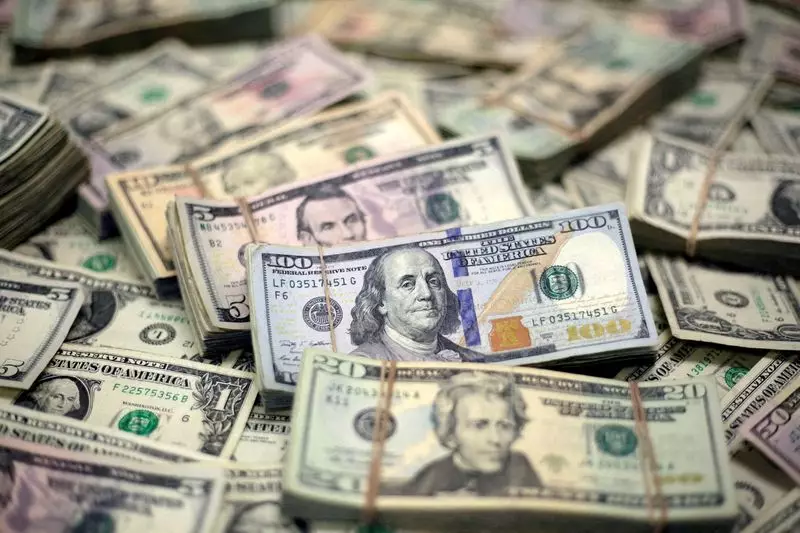
As the U.S. braces for a pivotal election, financial markets around the globe exhibit an air of uncertainty. Investors are currently in a holding pattern, caught between contrasting political narratives and their potential economic implications. Stock markets have largely remained stagnant, reflecting a collective apprehension as the nation prepares to elect its next leader. In particular, traders are acutely aware of the polarized race between Donald Trump and Kamala Harris, which has become a central focus for both domestic and international observers.
Oil markets have shown a pronounced reaction amid this political turbulence. Brent crude futures have risen to $75.08 per barrel, a notable increase influenced by delays in production plans from key suppliers. This surge in oil prices adds another layer of complexity to the market dynamics, as energy costs remain a significant factor in inflation debates.
In the Asian markets, the MSCI index displaying shares outside of Japan has remained flat, indicating a level of indecisiveness among investors. Conversely, Japan’s Nikkei index has surged, recovering from a previous holiday with a 1.3% increase in morning trading. Such divergence in market reactions suggests a multifaceted landscape, where regional developments can heavily influence investor sentiment.
Futures for the S&P 500 also indicate moderate optimism, climbing a mere 0.1%, showcasing a cautious approach among investors who are reacting to a complex web of economic signals leading up to the election. The U.S. dollar has experienced some fluctuations, currently trading at 152.35 yen and $1.0875 against the euro. This volatility reflects traders’ modifications of positions, attempting to preemptively align with election outcomes.
Analysts across the financial sector are weighing the implications of the election results meticulously. Westpac’s strategist, Imre Speizer, highlights that a decisive victory for Trump could bolster the dollar, while a win for Harris might depress it slightly. This analysis underscores a broader sentiment: the potential for significant repercussions based on the election results, particularly related to trade policies and inflation.
It is crucial to point out the stark choices facing U.S. voters: maintaining the current trajectory of institutional stability and economic policies under Harris or gravitating towards Trump’s radical approach to trade, which poses risks to globalization. J.P. Morgan has succinctly framed this election as a choice between continuity and change, raising intriguing questions about the future of U.S. economic policy and its repercussions on global markets.
The currency market displays heightened volatility, especially concerning the Chinese yuan, which is trading with significant implied volatility against the dollar. With the yuan at 7.1065 per dollar, concerns about tariff risks loom large, especially as election results become imminent. Traders are simultaneously keen on the potential actions of the Reserve Bank of Australia, which is set to announce their rate decision, potentially impacting the Australian dollar trading around $0.6590.
Banking analysts have also delineated their strategic positioning, suggesting selling dollar/yen and favoring the Australian dollar if Harris emerges victorious, while anticipating a shift towards purchasing U.S. dollars against European currencies should Trump win. This keen interest underscores the extent to which currency markets react to geopolitical shifts.
As the election draws near, Treasury markets stand relatively firm, with 10-year U.S. yields maintaining a rate of 4.30%. Investors are closely monitoring potential shifts in interest rates, particularly in light of predictions that point towards a possible cut in rates.
Cryptocurrency markets also reflect this complex environment as Bitcoin fluctuates, hovering around $67,924. The coin is perceived to benefit from a more permissive regulatory landscape should Trump gain victory, further complicating market forecasts.
As the clock edges closer to the election, attention will gravitate toward battleground states crucial for the outcome. States like Georgia, North Carolina, and Pennsylvania will hold the key to determining the future trajectory of U.S. economic policy. The potential for a protracted vote count adds to the uncertainty, especially as claims of contestation loom from the Trump camp.
Emerging victorious amid this political quagmire will not only shape America’s future but also echo throughout international markets, setting the stage for a consequential shift in the economic landscape worldwide. The coming days are poised to be critical, with the narrative of stability versus upheaval playing out on the global stage.