
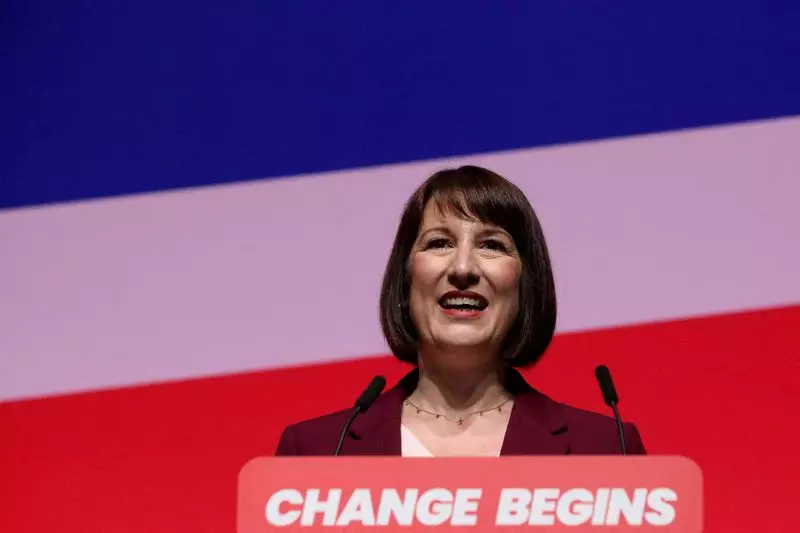
As the British finance minister, Rachel Reeves prepares to present the Labour Party’s first budget in over a decade, she finds herself at a crucial juncture for the UK economy. With an ambitious agenda focused on resetting economic stability, Reeves is set to lay down a blueprint that aims not only to address the country’s financial challenges but also to enhance investment opportunities. This article delves into the wider implications of Reeves’ upcoming budget and the measures she intends to implement in the wake of previous administrations’ fiscal policies.
In a political climate where the pressure to perform is immense, Reeves has indicated her intent to balance the budgetary scales through a blend of tax increases and strategic reductions in public expenditure. Reports suggest that the ambition is to secure approximately £40 billion (roughly $52 billion) to bolster public services and address funding gaps. By refocusing government spending while simultaneously raising revenue, Reeves is positioning herself to restore fiscal health, not only with immediate effects but in a sustainable long-term framework.
However, any tax hike often meets with public scrutiny. History indicates that tax increases can dampen consumer spending and stymie growth in the short run. Thus, the challenge lies in how Reeves communicates this strategy to maintain consumer confidence while navigating through the political landscape.
The constraints dictated by existing fiscal rules have often been a thorn in the side of economic expansion. Reeves is expected to propose an adjustment to these constraints, potentially shifting the focus from traditional metrics of fiscal sustainability to a more nuanced approach that emphasizes public sector net financial liabilities. Such changes could afford the government greater flexibility in its borrowing capacity, allowing for a broader offset against the public debt framework.
This proposed shift would enable a re-evaluation of Britain’s capital assets and liabilities, presenting a more comprehensive picture of the country’s financial health. While these adjustments promise a potential increase in borrowing capacity—estimated at an additional £50 billion—the broader implications for economic policy and public perception cannot be overlooked.
International Engagement: A Broader Commitment
Reeves is not only looking inward; her engagements in Washington at the International Monetary Fund (IMF) and World Bank annual meetings signal a desire for international collaboration. With the world recovering from the shadow of the pandemic and facing heightened geopolitical tensions, Britain’s support for global initiatives—like its recent $3 billion loan to Ukraine—demonstrates a commitment to leading discussions around investment in sustainable development goals.
By advocating for enhanced development financing for poorer countries, Reeves aims to broaden the conversation about international debt transparency. Encouraging richer nations within the G20 to take responsibility reinforces a global perspective that could yield long-term diplomatic benefits while simultaneously positioning the UK as a leader in addressing pressing global challenges.
Looking forward, the IMF’s recent optimism regarding Britain’s growth prospects—albeit modest—provides a cautious sense of hope. The forecasted growth of 1.1% for 2024 reflects an upward trajectory compared to other G7 nations, yet it remains a reminder of the imperative need for substantial investment in future development.
The financial landscape remains complex, with public debt continuing to pose a risk to economic health. While Reeves’ ambition to recalibrate the fiscal framework may enable more aggressive public investment, it is essential that this approach is not perceived as a blanket solution to deeper economic issues.
Rachel Reeves’ approach to the upcoming budget embodies both the challenges and opportunities faced by the UK as it emerges from economic turmoil. By balancing tax increases with investment in key public sectors, coupled with strategic adjustments to fiscal rules, her administration seeks to not only reset the economy but to build a resilient foundation for future growth. The coming weeks will be critical as the ramifications of her proposed policies ripple through both domestic and international spheres, potentially signaling a new chapter for Britain on the path to economic recovery.