
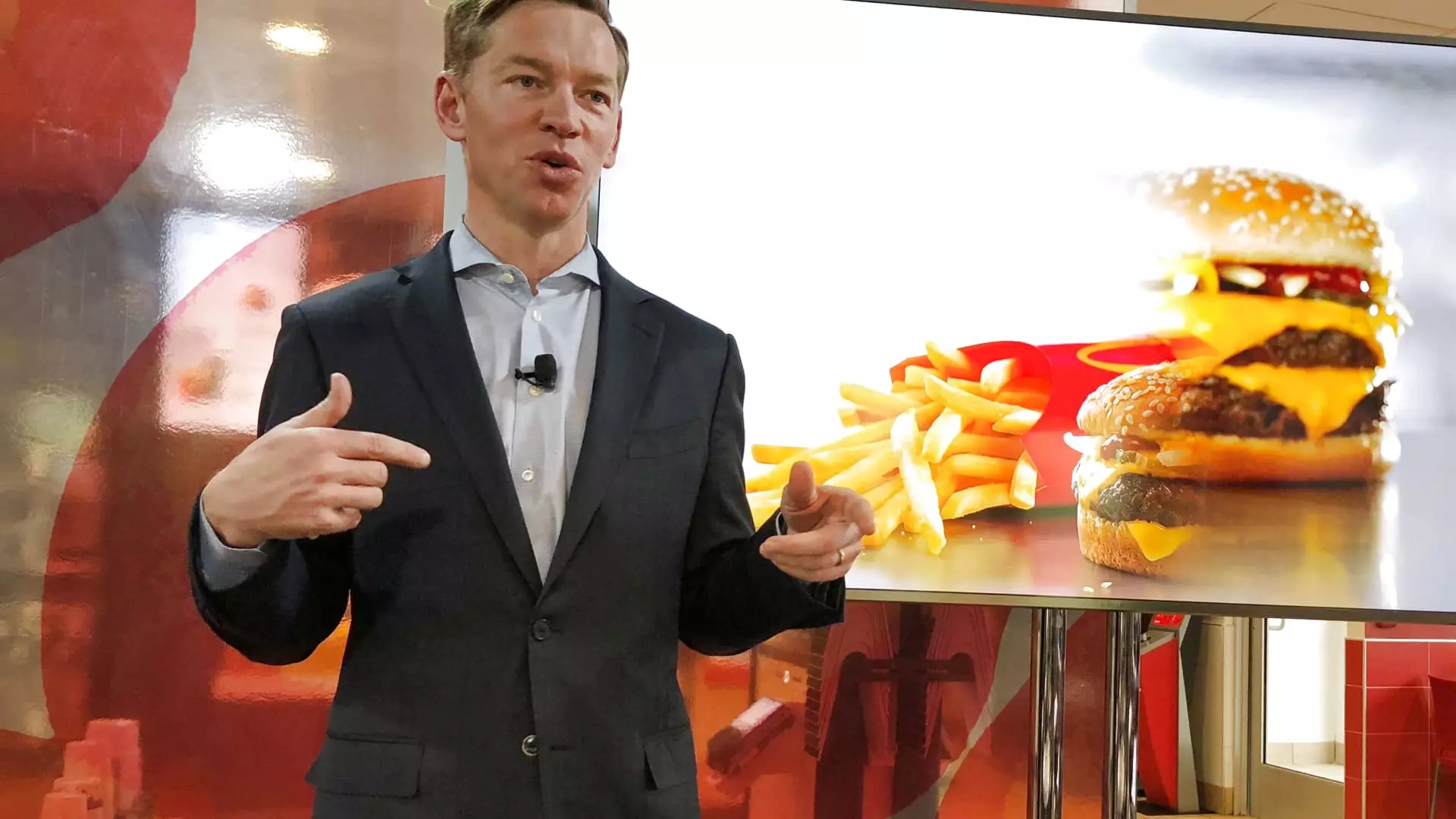
In recent weeks, the fast-food giant McDonald’s faced a grave situation when health authorities linked a deadly E. coli outbreak to their popular Quarter Pounder burgers. This outbreak raised alarm among consumers, investors, and health officials alike. A total of 75 health cases have been reported across 13 states, culminating in at least one tragic death. This brought about a barrage of negative media coverage and consumer scrutiny, resulting in McDonald’s temporarily pulling the beloved item from around 900 locations. Public concern about food safety reached a peak, influencing customer traffic and sales.
In a recent investor call, CEO Chris Kempczinski assured shareholders that the crisis was largely in the rearview mirror. He expressed confidence in McDonald’s handling of the outbreak, stating, “how we’ve handled the issue, now that we’re moving… we view it as being behind us.” Kempczinski emphasized that the outbreak seemed contained following extensive investigations which revealed that the fresh beef patties used in the burgers did not carry E. coli. However, the FDA is still probing into slivered onions as the potential culprit behind the outbreak.
This piece of information hints at the company’s initial strategy to downplay the severity of the risk and focus on reassuring the public while gradually restoring their product lineup. Nevertheless, the gravity of the E. coli outbreak cannot be understated; there had been confirmed illnesses, and even lawsuits filed by affected consumers. The emotional toll on those impacted was acknowledged by Kempczinski when he expressed heartfelt apologies on behalf of the corporation.
The immediate aftermath of the outbreak saw a decline in daily sales and customer traffic, a trend confirmed by CFO Ian Borden during the call. Despite noting that traffic turned negative in the days following the outbreak’s announcement, Borden also reiterated his belief that the financial implications would not be material. This indicates that McDonald’s is attempting to navigate through the crisis without significant long-term damage to its brand.Image and reputation are everything for corporations; thus the assurance that the financial fallout would be manageable seems a strategic move to stabilize investor confidence.
Interestingly, McDonald’s also reported a 0.3% increase in U.S. same-store sales compared to the previous year. Although it showcased a recovery from the prior quarter’s decline, the results fell short of analyst expectations, indicating that customer apprehensions lingered. Observing a decline in same-store growth—albeit partially offset by positive figures in the U.S.—appears to be a wake-up call for McDonald’s to re-evaluate its consumer engagement and brand strategies.
As McDonald’s pivots towards re-establishing its market position, they are making strategic adjustments to restore consumer confidence. The decision to remove slivered onions from the Quarter Pounder recipe is a significant step and a clear indication that the company is taking the matter seriously. In addition, previous successful promotions like the $5 value meal and the Chicken Big Mac are once again posited as keys to reigniting interest amongst consumers.
Borden’s emphasis on restoring momentum reflects a broader understanding within the organization that maintaining customer trust is paramount. Beyond sales, confidence in food safety is vital for long-term loyalty and sustainability in the business landscape.
As McDonald’s navigates this tumultuous chapter, the focus will be on how swiftly they can rebuild consumer trust and rectify the fallout from this outbreak. While the immediate crisis seems contained, the challenges of consumer perception and market positioning remain ever-present. The potential for future outbreaks underscores the ongoing need for rigorous food safety measures and transparent communication from large corporations.
McDonald’s journey through the E. coli outbreak serves as not only a test of crisis management but also an opportunity to re-evaluate their operations, ensuring that the safety of their products is prioritized. As they work through this situation, it will be essential for them to balance corrective actions with strategic marketing efforts, ultimately striving for an unwavering commitment to food safety that can reassure consumers and investors alike.