
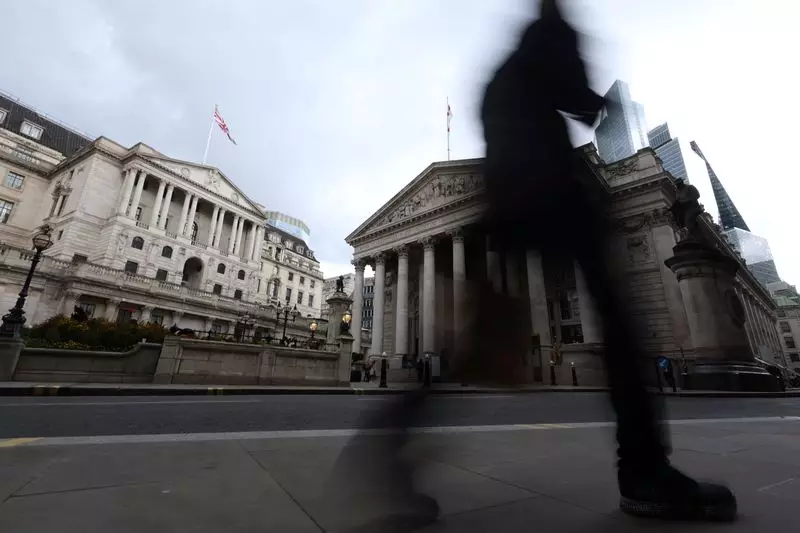
As the financial world evolves, the advent of digital currencies presents both opportunities and challenges. With the rapid rise of cryptocurrencies and technology-based financial services, the Bank of England (BoE) is grappling with the critical need to innovate while safeguarding public interests. The recent comments from Governor Andrew Bailey encapsulate the urgency and complexity of developing a central bank digital currency (CBDC) in the UK.
Bailey’s remarks at a recent Group of Thirty forum highlight the prevailing anxiety surrounding the shift of everyday banking services to less regulated entities, such as tech firms. With these companies often prioritizing convenience over security, there arises a palpable concern among regulators about the safety and privacy of transactions made through digital platforms. Bailey’s reluctance to fully endorse a CBDC stems from a desire to maintain consumer trust in traditional banking while recognizing that the current pace of innovation from commercial banks is insufficient.
One of the more troubling insights from Bailey’s address is the observed stagnation within the commercial banking sector regarding innovation. Many banks are reaping substantial profits from established systems, which undoubtedly slows their motivation to introduce new technologies or improve existing ones. Bailey argues that as long as these institutions continue to enjoy high returns, the impetus for enhancing consumer offerings remains weak. This dilemma raises a critical question: when profit becomes the primary driver, do customers ultimately lose out on the benefits of technological advancements?
Acknowledging the deficiencies in commercial bank innovation, the Bank of England is moving forward with plans for a retail CBDC, albeit cautiously. The possibility of a state-backed digital pound is not just a theoretical discussion; it represents a proactive approach to ensure that the UK does not fall behind in the global digital currency race. The BoE is aiming to position itself as a leader while also maintaining a watchful eye on privacy issues that arose during consultations with the public.
The challenge will be finding a balance between fostering innovation and ensuring regulations protect consumers. As Bailey rightly points out, the existing electronic payment infrastructure in the UK is already efficient, but it lacks the flexibility that could come with a digital currency. Automated payments, increased security, and improved privacy are just a few areas where a CBDC could potentially excel. Still, any advancements will need rigorous debate to address the privacy concerns that citizens have voiced.
As the Bank of England deliberates the future of a retail CBDC, the tension between innovation and stability remains palpable. While Governor Bailey has expressed that a CBDC is not his preferred choice, it’s becoming increasingly evident that it might be necessary to ensure that the UK remains competitive and secure in the digital finance sphere. The next couple of years will be crucial as the BoE continues its consultations and preparations, weighing the importance of modern payment solutions against the values of safety and privacy that underpin traditional banking. The decisions made now will undoubtedly shape the financial landscape for generations to come.