
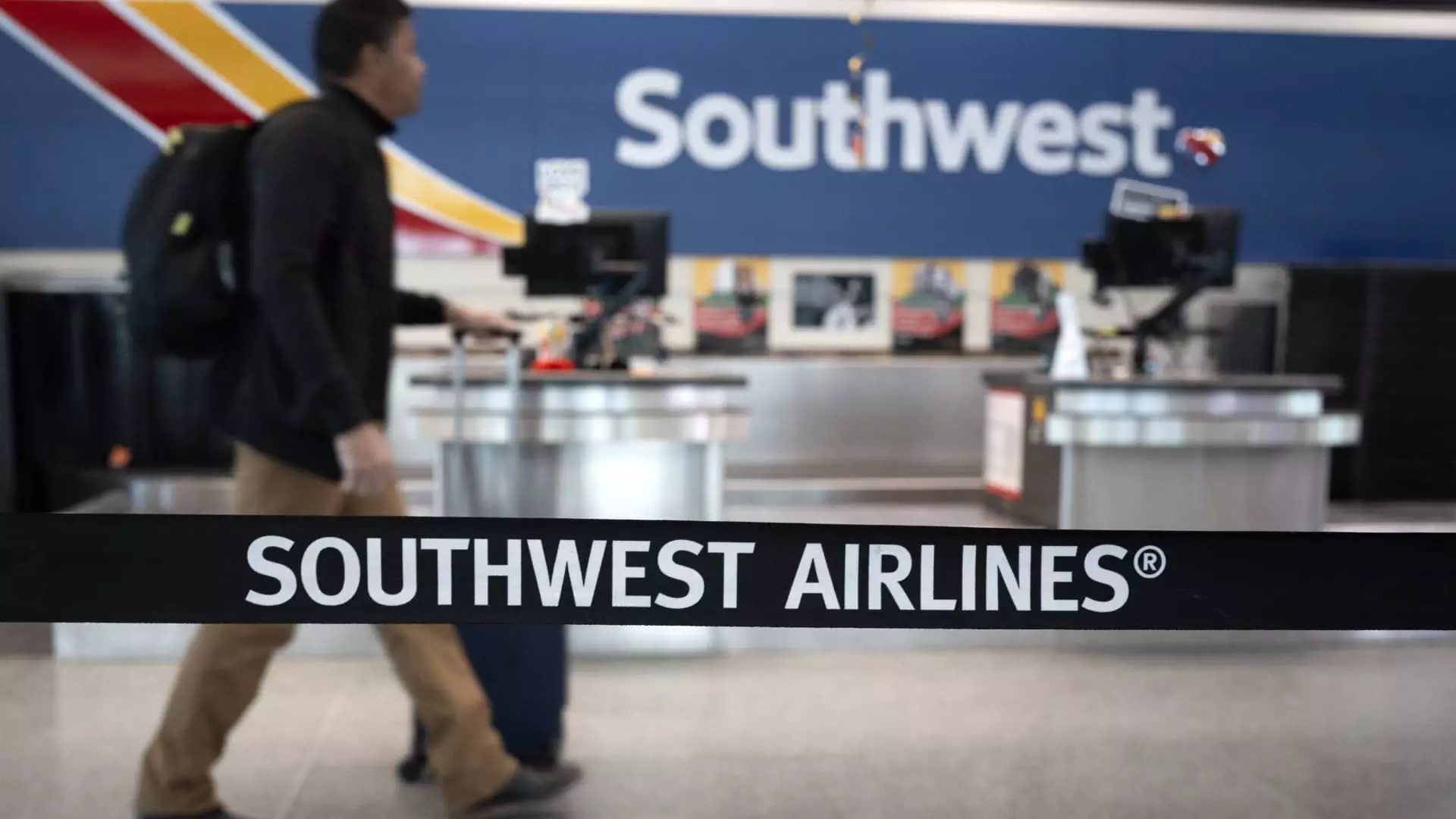
After more than fifty years, Southwest Airlines has chosen to part ways with its long-standing two-bags-fly-free policy, an unprecedented change that is sending shockwaves through the travel industry. Starting this week, customers will face a new reality where checked luggage comes with a price tag. This decision serves as a glaring reminder of how revenue pressures can force even the most customer-friendly airlines to conform to industry norms, pivoting from a model built on consumer trust to one resembling their profit-driven competitors.
The decision to implement baggage fees does not exist in a vacuum. It comes at a time when the airline industry as a whole reaps significant rewards from ancillary revenues, amounting to a staggering $7.3 billion last year from baggage fees alone, as reported by federal data. The once-sacrosanct policy that had set Southwest apart is now being reevaluated, and its executives are not shy about admitting the influence of financial pressure. This syndrome of turning loyalty into an afterthought while prioritizing profits is both alarming and disappointing, shedding light on a trend that jeopardizes the fundamental customer experience.
Revealing the Business Model Shift
Not only is the end of free checked bags an immediate blow to frequent travelers, but it comes amidst a series of sweeping modifications to Southwest’s business model involving the introduction of basic-economy tickets and the axing of open seating. These changes represent a significant devolution on the part of an airline that had previously prided itself on standing apart from its competitors through straightforward policies that prioritized consumer experience.
Southwest’s basic-economy fares reflect a troubling shift toward a more complicated pricing structure, where customers who once received flexibility now face a myriad of restrictions, including non-changeable tickets and expiring fare credits. This departure from straightforward travel policies is reminiscent of the strategies implemented by traditional airlines that had long been criticized for obscuring pricing to the detriment of customers. One can only wonder if Southwest is sacrificing its loyal customer base for short-term gain, especially when they’ve often courted travelers seeking simplicity and transparency.
Impact on Frequent Flyers and Loyalty Programs
Interestingly, the new baggage fees will affect a vast majority of travelers, with only select customers in top-tier loyalty programs receiving exemptions for checked bags. The complexities deepen as Southwest aims to retain their frequent flyer base while making it difficult for average travelers to understand the nuances of their benefits. This tactic, rather than fostering loyalty, may create transactional relationships where customers feel compelled to play a numbers game rather than nurture brand loyalty.
When organizational pressures become the catalyst for policy changes, it raises ethical questions. Should high-pressure investment firms, like Elliott Investment Management, have so much influence over an airline’s operation? While it’s understandable for companies to yield to shareholder pressure, it undermines a brand that has touted customer dedication as a cornerstone of its identity. Instead of genuinely engaging with customers, the company appears to be an organization primarily concerned with appeasing the financial elites, lost in the chaos of dollars and cents.
The Backlash: Will Customers Forgive and Forget?
Social media has become a battleground for discontent, with Southwest’s fans expressing outrage over this calculated shift in policy. The comments blasting the airline for abandoning its roots speak volumes about the emotional investment customers have made in the brand over the years. This transformation is not merely perceived as a business decision, but as a betrayal by a company that once felt like a family to many.
CEO Bob Jordan claims that customer metrics remain steady despite the backlash. However, one can’t help but wonder if this confidence is premature. A customer base that feels betrayed may not merely complain on social media; they might also decide to seek alternatives, spending their money with airlines that still prioritize transparency and customer-first policies. Over time, these revenue-growing measures could ultimately backfire and lead to financial losses as loyalty wanes.
The decline of the two-bags-fly-free policy at Southwest Airlines marks a significant shift in the travel landscape, one that poses a serious challenge not just for the airline, but for the industry as a whole. As traditional norms give way to financial imperatives, consumers are left wondering whether loyalty is a currency that holds any true value in the face of corporate greed. This troubling trend serves as a sobering reminder of the costs of abandoning principles that once set a brand apart, potentially reshaping its identity forever.